
Development Windows
LTspice
Draw analog circuit schematics, simulate their behavior and inspect waveforms with LTspice, Analog Devices' free SPICE-based circuit simulator for Windows.
- Operating system
- Windows 11 (listed by Softonic)
- Architecture
- x64
- Download package
- MSI installer
Selected package is x64 in the community WinGet manifest. Minimum Windows version and native ARM64 compatibility were not independently established.
Link checked · Download guidance
What is LTspice?
LTspice combines a schematic editor, a SPICE-based analog circuit simulator and a waveform viewer. It lets you build a circuit diagram, configure components and inspect simulated behavior before constructing a physical prototype. Its model and passive-component libraries support work on analog circuits, including switching-regulator designs.
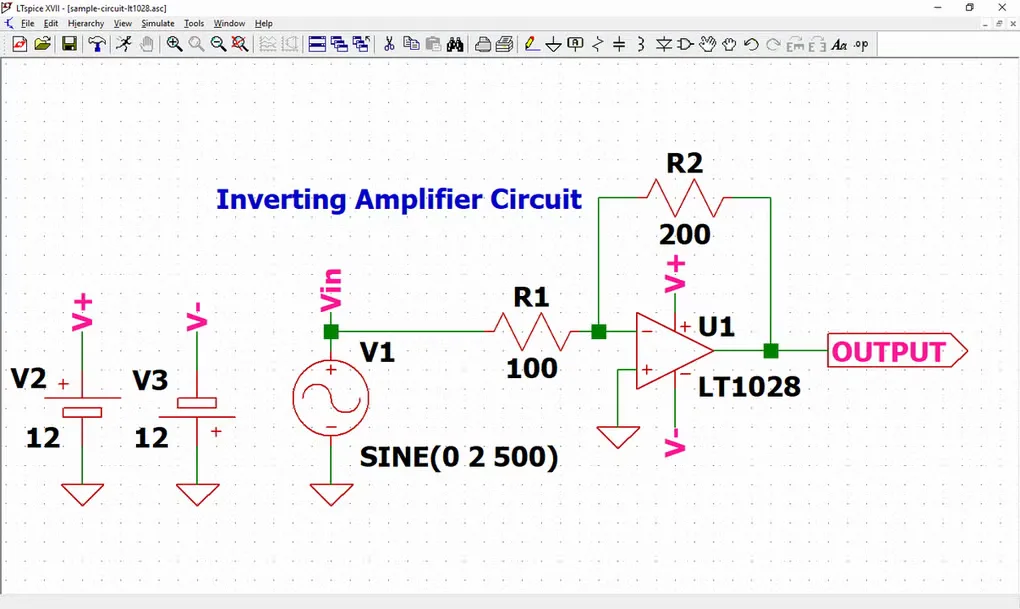
The schematic capture interface lets you probe a design and explore simulation results in the built-in waveform viewer. This makes the program useful for examining how a circuit behaves rather than only drawing its connections.
Keep custom component models in user-defined libraries instead of editing the supplied Analog Devices library files: the documented update behavior can overwrite publisher-provided libraries. The linked download is the publisher-hosted x64 MSI listed in the Microsoft community Windows Package Manager manifest. The gallery image shows the older LTspice XVII Windows interface, not the appearance of version 26.1.1.2.
What it offers
- Draw circuit schematics and configure individual components.
- Run SPICE-based simulations of analog circuit behavior.
- Probe schematics and explore simulation results in the built-in waveform viewer.
- Use macro models and passive-component libraries, including models for switching-regulator work.
Good to know
- Updates can overwrite the supplied Analog Devices component libraries; keep custom models in user-defined libraries rather than changing publisher-provided files.
Product images
Sources
References used for this listing. Retrieval dates do not indicate hands-on testing.
More in development
View category ↗

010 Editor 17.0
Inspect and edit binary files on Mac with 010 Editor, a paid text and hex editor with Binary Templates, file comparison and a 30-day trial.
010 Editor 17.0
Inspect and edit binary files with 010 Editor for Windows, a text and hex editor with Binary Templates, file comparison and scripting. Includes a 30-day trial.
10x Editor
Edit and navigate C++ projects on Windows with a built-in parser, workspace search and Visual Studio project support. A paid license is required after the 30-day trial.